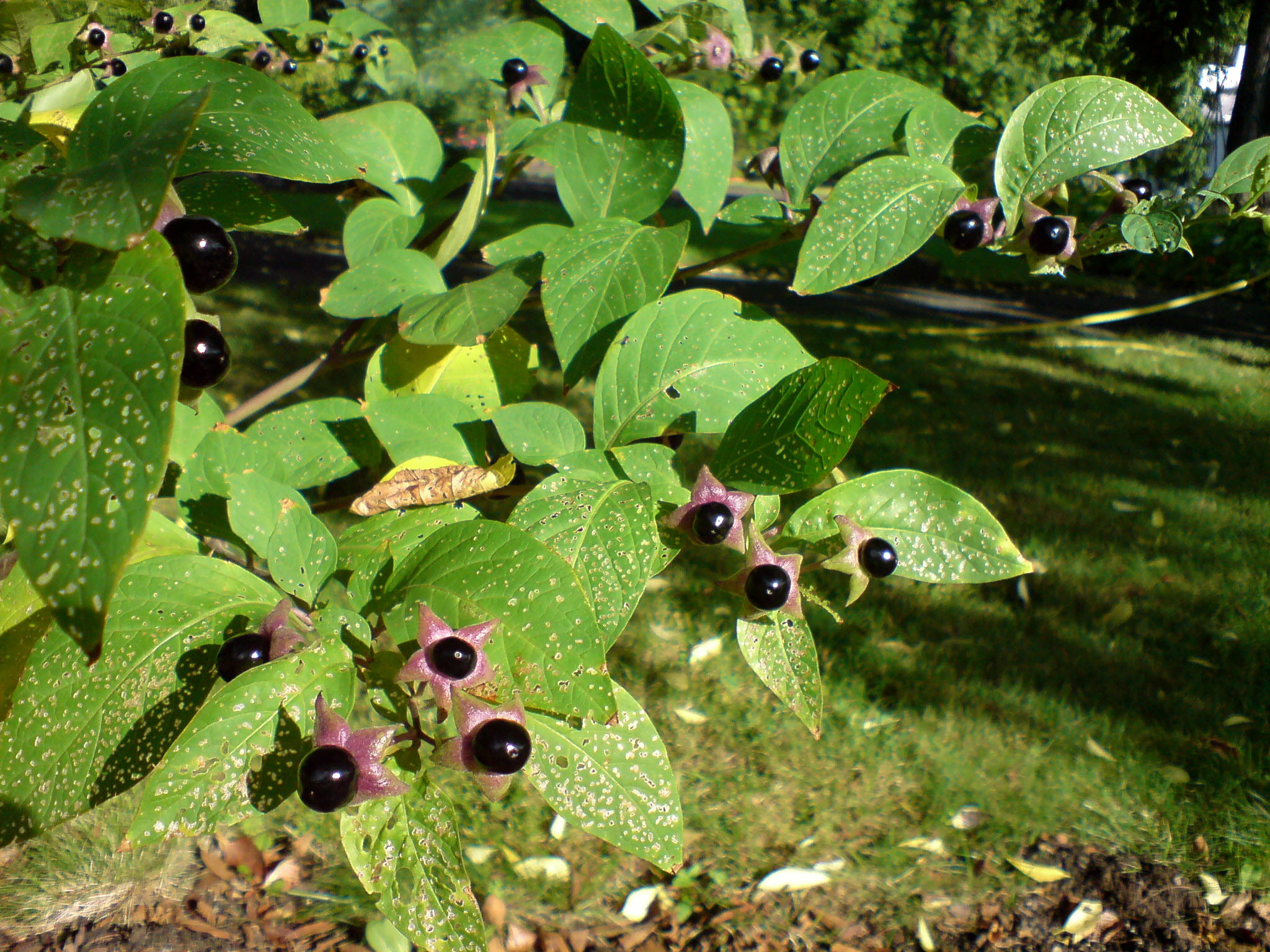
What’s Your Poison? Henbane!

Did you know:

Henbane

  • Hyoscyamus niger is also called Henbane, Black Henbane, Stinking Nightshade, and Devil’s Eye.
  • The name Hen likely derives from the Old English word for death, as this plant was known as hen bell (meaning death bell) as early as 1265.
  • Its veined yellow flowers grow wild in chalky soil, by roadsides, on waste ground, and near old buildings.  It likes sandy ground too, and flourishes by the sea.
  • Although part of the Mandrake and Belladonna family, Henbane is also associated with the potato, tomato, and tobacco plants.
  • All parts of the Henbane plant are poisonous – especially the leaves.  Neither boiling or drying destroys its toxicity.
  • Henbane is often associated with witch-brews and magic potions because it causes hallucinations and the sensation of flight.  Merely sniffing its offensive smell can make people giddy.  Other symptoms include restlessness, flushed skin, and manic behavior.
  • The Oracle of Delphi supposedly inhaled smoke from smoldering Henbane to induce mystical experiences.
  • In ancient times this herb was used as a pain medication, toothache cure, and sleep aid.  During the Nineteenth Century it was prescribed for epilepsy and other convulsive ailments.
  • Before the widespread use of hops, Henbane was used to flavor beer.
  • Perhaps because of its association with witchcraft, in German folklore Henbane was believed to attract rain, blight cattle, and destroy crops.
  • And Shakespeare may have used this plant as the “cursed hebenon in a vial” that killed Hamlet’s father.

Sources

Botanical.com.  “Henbane,” at https://www.botanical.com/botanical/mgmh/h/henban23.html

Rowan.  “Henbane – the insane seed that breedeth madness,” at http://www.whitedragon.org.uk/articles/henbane.htm

Wikipedia.  “Hyoscyamus niger” at https://en.wikipedia.org/wiki/Hyoscyamus_niger

(Drawing: Public Domain)

Copyright © 2022 | KitPerriman.com | All Rights Reserved
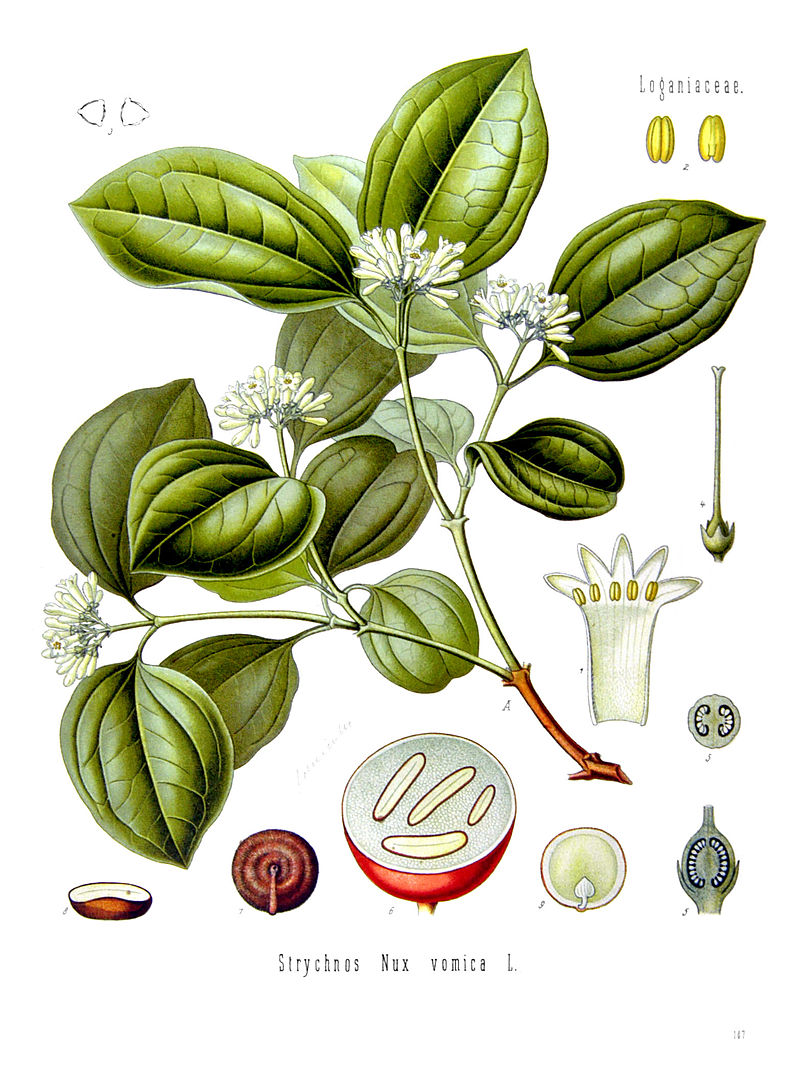
What’s Your Poison? Strychnine!

Did you know:

  • Strychnine comes from the seeds of the Strychnos nux-vomica tree found in India and elsewhere.
  • It also appears in the bark of some species of this toxic tree.
  • The fruit is the size of a large apple, orange in color, has  a hard rind, and contains five flat seeds.

Strychnine

  • Strychnine poisoning causes stiffness in the jaw, neck, and belly, and eventually leads to muscular convulsions and death from asphyxiation.
  • There is no antidote, but early hospitalization can save lives.  If a patient survives the first 24 hours then a full recovery is possible.
  • This poison is used to kill rodents and small predators in Europe.
  • Strychnine has been called the “least subtle” toxin.  At first the symptoms resemble a tetanus infection but most people who ingest it know they have taken poison!  It is said to cause a great deal of suffering because victims remain conscious until death.
  • In the 1904 Olympic Games the marathon was won by Thomas Hicks.  He had been given a stiff brandy and two shots of strychnine to enhance his performance.
  • In the late Nineteenth and early Twentieth Centuries this substance was used as a recreational drug.  It is also occasionally mixed with street drugs such as LSD, heroine, and cocaine.

But according to Ralph Waldo Emerson: “Tobacco, coffee, alcohol, hashish, prussic acid, strychnine, are weak dilutions. The surest poison is time.”

Sources:

Inglis-Arkell, Ester. “Strychnine: A Brief History of the World’s Least Subtle Poison,” at http://io9.com/strychnine-a-brief-history-of-the-worlds-least-subtle-1727903421

Stuart, Malcolm. The Encyclopedia of Herbs and Herbalism (London: Black Cat, 1987)

Wikipedia. “Strychnine,” at https://en.wikipedia.org/wiki/Strychnine

___.  “Strychnos nux-vomica at https://en.wikipedia.org/wiki/Strychnos_nux-vomica

(Drawing: Public Domain)

Copyright © 2022 | KitPerriman.com | All Rights Reserved
What’s Your Poison? Arsenic!

Did you know:

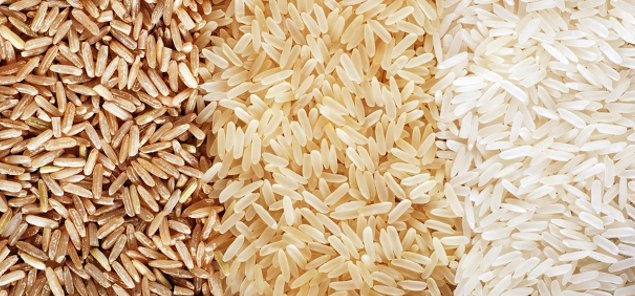
Rice

  • The word arsenic comes from the Persian word for yellow, but it is better known as The King of All Poisons or The Poisoner of Kings.
  • Arsenic is highly toxic but nowadays it can be successfully treated in a hospital.
  • This poison occurs naturally in rice.
  • It is also found in leafy vegetables, apple juice, grape juice, and seafood.
  • One of the greatest natural threats is contaminated groundwater that has absorbed arsenic salts.
  • Long term exposure causes cancer of the bladder, kidneys, liver, prostate, skin, lung, and nose.
  • Symptoms of poisoning start with headaches, confusion, drowsiness and severe diarrhea.  Then comes vomiting, bloody urine, hair loss, stomach pain, convulsions, coma, and death.
  • Although this toxin used to be very difficult to detect it is now traceable in hair, blood, urine, and nail clippings.
  • For over 2,400 years arsenic was used in Chinese medicine, and in the West it was an early treatment for syphilis before penicillin became available.
  • For hundreds of years women mixed arsenic with vinegar and chalk to provide the desired white complexions of the ruling classes.
  • And because this poison has similar symptoms to cholera, many criminals throughout the ages have – quite literally – got away with murder!

Sources:

Authority Nutrition. “Arsenic In Rice” at  http://authoritynutrition.com/arsenic-in-rice/

GreenFacts, “Arsenic” at http://www.greenfacts.org/en/arsenic/

Wikipedia. “Arsenic” at https://en.wikipedia.org/wiki/Arsenic

_. “Arsenic Poisoning” at https://en.wikipedia.org/wiki/Arsenic_poisoning

(Photo: Public Domain)

Copyright © 2022 | KitPerriman.com | All Rights Reserved
What’s Your Poison? Cyanide!

Did you know:

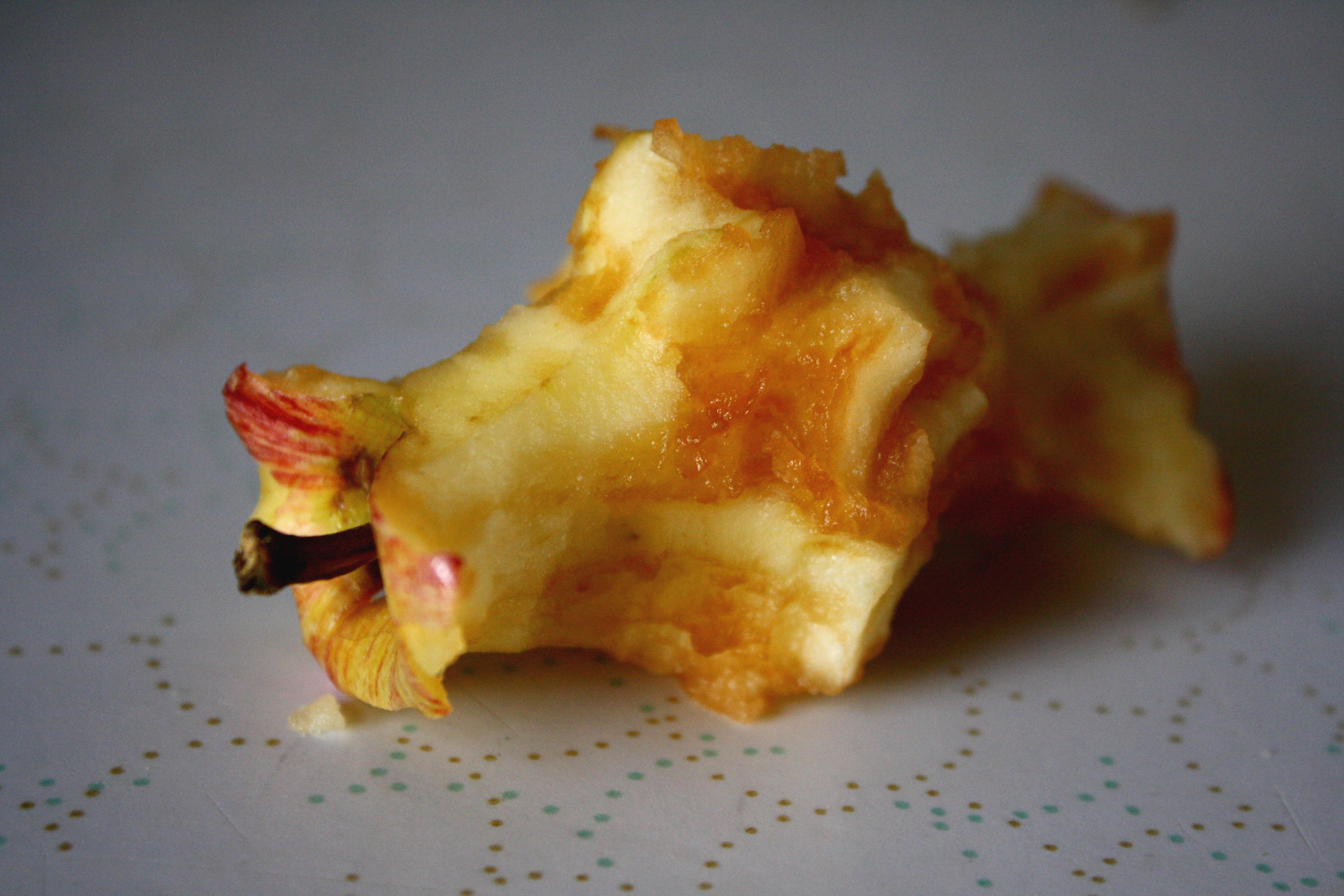
  • Cyanide is found naturally in apple seeds.

apple

  • It also occurs in almonds, apricot kernels, lima beans, orange pips, cassava roots (tapioca), and bamboo shoots.
  • These seeds contain a toxic compound called amygdalin that degrades into hydrogen cyanide (HCN).
  • The form of cyanide found in cassava becomes harmless if the root is dried, smoked, or baked.
  • Cyanide is also found in cigarette smoke.  It can be chemically released from burning man-made products and  plastics in industrial fires.
  • It smells of bitter almonds, though not everyone can detect an odor.  Some people get bright-red faces.
  • Other signs of poisoning include dizziness, headaches, sickness, rapid body functioning, weakness, convulsions, unconsciousness, and lung failure.  Cyanide stops the body from absorbing oxygen.  Death comes from asphyxiation.
  • Long-tern exposure to small amounts leads to weakness, paralysis, miscarriages, liver, and kidney damage.
  • There is no natural antidote, but immediate hospitalization and medical intervention can prevent death in some cases.
  • Cyanide (Zyklon B) was used in the German gas chambers at Auschwitz, and for many judicial executions in USA gas chambers.
  • It is available in a quick-acting pill form for instant suicide.  Soldiers in high-risk-of-capture situations were sometimes issued with cyanide pills.
  • But don’t worry if you accidentally swallow some apple or orange pips.  They have a hard protective coat that passes through the human body intact so that any harmful chemicals are not absorbed!

Sources

CDC, “Facts About Cyanide” at http://www.bt.cdc.gov/agent/cyanide/basics/facts.asp

Snopes.com, “Apple Seeds and Cyanide” at http://www.snopes.com/food/warnings/apples.asp

Stuart, Malcolm. The Encyclopedia of Herbs and Herbalism (London: Black Cat, 1987)

Wikipedia, “Cyanide Poisoning” at https://en.wikipedia.org/wiki/Cyanide_poisoning

(Photo: Public Domain)

Copyright © 2022 | KitPerriman.com | All Rights Reserved

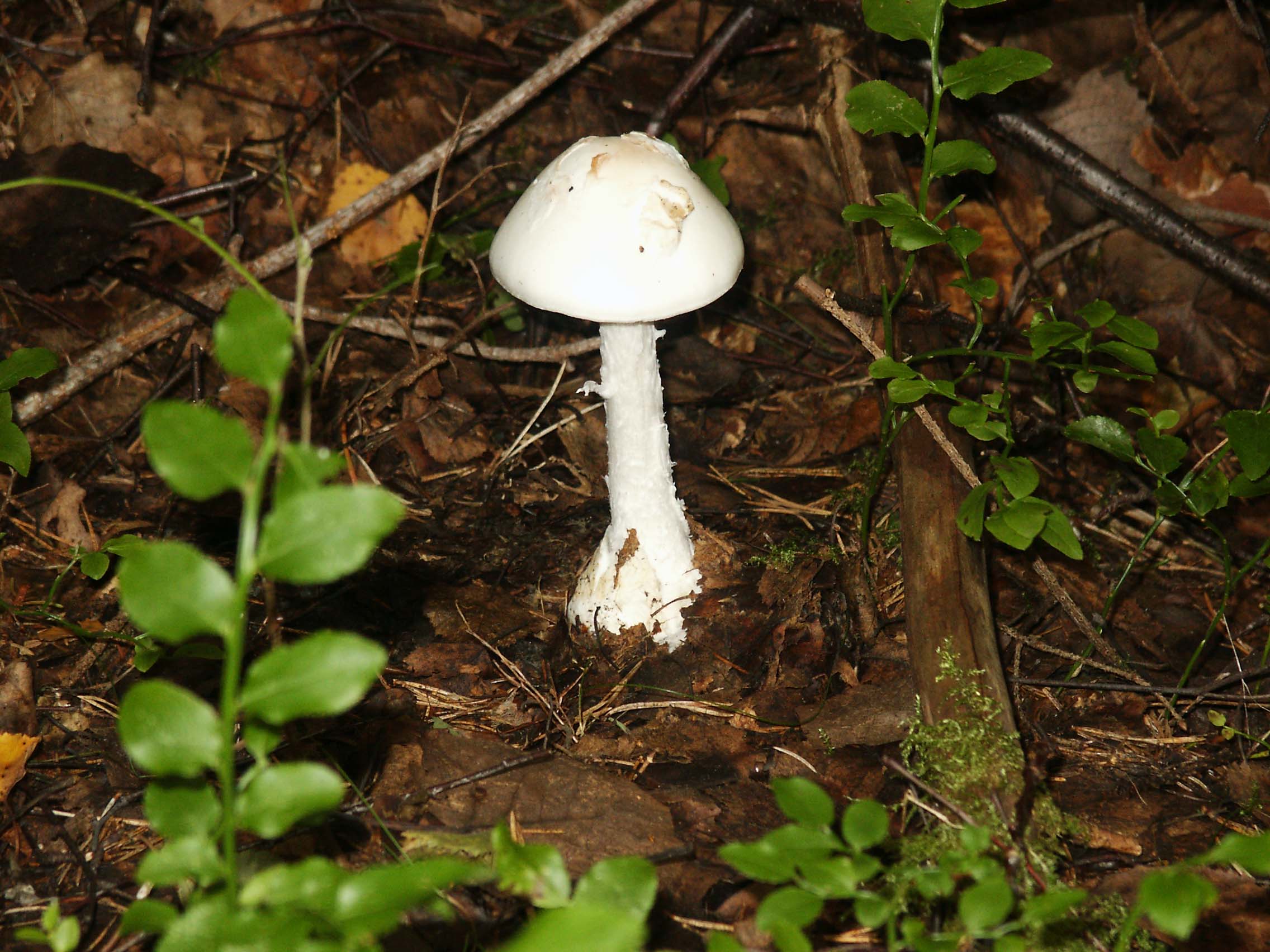
What’s Your Poison? Mushrooms!

Did you know:

  • Mushroom poisoning is called mycetism.
  • About 100 types of fungi are toxic to humans.
  • Most deaths occur from eating the Death Cap (Amanita phalloides):

Death Cap Death Caps

  • Death Caps are a sticky pale yellow or olive green color, and their caps measure 3-6 inches.
  • They are easily peeled and often mistaken for edible varieties like the Button or Caesar mushrooms.
  • Found during the Fall, this fungus grows in woods near the bases of trees.  It likes hardwoods, preferably oaks and pines.
  • Death Caps are pretty and taste pleasant.  The effects of poisoning do not appear until 2-3 days after ingestion.  Death occurs 6 – 16 days later.
  • Toxicity is not reduced by cooking, baking, drying or freezing.
  • Poisoning produces diarrhea, vomiting, delirium, seizures, coma, and eventually results in fatal organ failure.
  • Victims of mushroom poisoning may have included Emperor Claudius (AD 54), Pope Clement VIII (1554) and Holy Roman Emperor Charles VI (1740).
  • The Death Cap is closely associated with The Destroying Angel.  This all-white mushroom is just as deadly as its cousin.

DCF 1.0 Destroying Angel

Sources:

Adams, Cat. “Most Dangerous Mushroom” at slate.com

Fischer, David. “The Death Cap Mushroom” at americanmushrooms.com

Wikipedia. “Amanita phalloides” at https://en.wikipedia.org/wiki/Amanita_phalloides

(Photos: Public Domain)

Copyright © 2022 | KitPerriman.com | All Rights Reserved
What’s Your Poison? Mandrake!

Did you know:

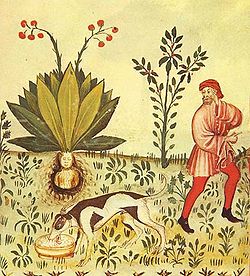
Mandrake

  • Mandrake – Mandragora officinarum –  was historically known as Satan’s Apple.
  • The roots and leaves are highly toxic.  They result in coma and asphyxiation.
  • If ingested in large doses, mandrake causes delirium, madness, and death.
  • Its thin tuberous roots look like parsnips.  Ancient Greek and Roman physicians offered patients pieces of root to chew on before surgery because it acted as an early anesthetic.
  • This plant grows best on poor, sandy soil in full sunlight.
  • The greenish-yellow (sometimes purple) flowers are followed by round, orange seed pods.
  • Because mandrake has a narcotic, hallucinogenic, hypnotic effect, it has been aligned with Black Magic and mystical rites since the Dark Ages.
  • Also, the roots often resemble human figures.
  • Anyone who digs up a mandrake root is supposedly condemned to Hell, so animals were usually used to harvest it instead.
  • Legend claims that the mandrake root screams when it is pulled from the soil, and that anyone hearing this cry will instantly die.  This explains Shakespeare’s reference in King Henry VI, Part 1: “Would curses kill, as doth the Mandrake’s groan.”

Sources:

Grieve, M.  “Mandrake” at https://www.botanical.com/botanical/mgmh/m/mandra10.html

Medieval Bestiary, “Mandrake” at http://bestiary.ca/beasts/beast1098.htm

Stuart, Malcolm. The Encyclopedia of Herbs and Herbalism (London: Black Cat, 1987)

Wikipedia, “Mandrake” at https://en.wikipedia.org/wiki/Mandrake

(Drawing: Public Domain)

Copyright © 2022 | KitPerriman.com | All Rights Reserved
What’s Your Poison? Aconite!

Did you know:

Aconitum_napellus_JPG1a[1]

  • Aconite – Aconitum napellus – was used by the Ancient Chinese to poison the tips of their arrows.
  • All parts of the plant are extremely toxic.  Death occurs in 2 – 6 hours and is caused by the paralysis of the heart.
  • Poisoning produces symptoms similar to rabies – frothy saliva, poor vision, disorientation, and coma.
  • The helmet-shaped flowers are usually a violet- blue color, but they can also be white, yellow, or pink.
  • This plant grows in moist mountain meadows and has glossy, dark green leaves.  The root looks like small turnips.
  • Aconite was historically used to kill wild predators – hence the nicknames Wolf’s Bane and Leopard’s Bane.
  • It is also commonly known as Monkshood, Devil’s Helmet, and The Queen of All Poisons.
  • Cleopatra used Aconite to kill her brother Ptolemy XIV, in order to place her own son on the throne.

Sources:

Stuart, Malcolm. The Encyclopedia of Herbs and Herbalism (London: Black Cat, 1987)

Wikipedia, “Aconitum” at https://en.wikipedia.org/wiki/Aconitum

(Photo: Public Domain)

Copyright © 2022 | KitPerriman.com | All Rights Reserved

What’s Your Poison? Ergot!

Did you know:

Ergot

  • Ergot is a toxic fungus that grows mainly on rye plants.
  • Claviceps purpurea can also infect barley, oats, and wheat.
  • It reduces the crop yield and causes a disease called ergotism, commonly known as St. Anthony’s Fire because it affects the blood circulation and creates a terrible burning sensation.
  • There are two forms of ergot poisoning: one type causes gangrene, and the other form manifests in hallucinations, convulsions, and seizures.
  • Because it causes the symptoms of madness, ergot may have been responsible for the large-scale outbreaks of mass hysteria that swept across Medieval Europe in the Middle Ages.
  • This fungus often triggered the symptoms of demonic possession that led to accusations of witchcraft.
  • Ergot occurs in high humidity, especially at the edges of a crop field.
  • It emerges in autumn, usually after an extremely cold winter and rainy summer.
  • The fungus manifests on rye seeds as a dark violet or black stain.
  • Severe epidemics seem to follow a 5 -10 year cycle.
  • The fungus also creates contractions of the womb and was traditionally used to induce abortions, or to help stop post-natal maternal bleeding.
  • Ergot is the natural form of LSD (lysergic acid diethylamide).

Sources:

“Ergot of Rye” at http://www.botany.hawaii.edu/faculty/wong/BOT135/LECT12.HTM

Stuart, Malcolm. The Encyclopedia of Herbs and Herbalism (London: Black Cat, 1987)

Wikipedia, “Ergot” at https://en.wikipedia.org/wiki/Ergot

(Photo: Public Domain)

Copyright © 2022 | KitPerriman.com | All Rights Reserved

What’s Your Poison? Hemlock!

Did you know:

Hemlock

  • Hemlock has several names including Conium maculatum, Poison Parsley, Devil’s Bread, and Poison Hemlock.
  • Conium comes from the Greek word konas – “to whirl” – because vertigo is one of the symptoms from eating this plant.
  • Hemlock is a highly poisonous member of the carrot family.  It also affects animals and can cause birth defects in pregnant mammals.
  • All parts of this invasive plant are toxic, especially the seeds, but it is thought to be less harmful when grown in colder climates or when dried out.
  • It grows small white flowers on a speckled stem that turns purple at the base.  All parts are hairless.
  • A flowering bush smells of mice, but the crushed leaves and roots are pungent like parsnip.
  • Hemlock prefers warm, moist soil so it often flourishes alongside streams, ditches, and the edges of fields.
  • The Ancient Greeks used hemlock to execute condemned prisoners, the most famous being the philosopher Socrates.
  • In Shakespeare’s Macbeth, the three Weird Sisters add “Root of hemlock digg’d i’ the dark” to their magic cauldron – a sure sign they were up to no good!

Sources:

Shakespeare, William. Macbeth. Ed. David Bevington (Fourth Ed.) (Worldwide: Longman, 1997) 

Stuart, Malcolm. The Encyclopedia of Herbs and Herbalism (London: Black Cat, 1987)

Wikipedia, “Conium maculatum” at https://en.wikipedia.org/wiki/Conium_maculatum

(Photo: Public Domain)

Copyright © 2022 | KitPerriman.com | All Rights Reserved

What’s Your Poison? Belladonna!

Did you know:

  • Atropa belladonna is the strangest and deadliest member of the tomato family.
  • The name Atropa comes from the Greek goddess Atropa – one of the three fates who determine human life and death.
  • Belladonna is Italian for “beautiful lady.”  This poison has historically been used by women as a cosmetic eye drop to dilate the pupils, making the user appear more desirable.
  • Its common name is Deadly Nightshade.

Bella Donna

  • Belladonna has dull green leaves, purple bell-shaped flowers, and shiny black berries that are sweet to the taste.
  • All parts of the plant are highly toxic to people, though cattle and rabbits seem to have a natural immunity.
  • Deadly Nightshade grows in woods, hedgerows, and wastelands.
  • Before the Middle Ages it was used as an anesthetic in surgery.
  • Witches were said to mix Deadly Nightshade with other poisons to create a flying ointment (which may have triggered the hallucination of flight).
  • According to local folklore, the Lancashire Witches sometimes mixed belladonna berries into blackcurrant or blueberry pies as toxic “gifts” for their enemies!

Sources:

Stuart, Malcolm. The Encyclopedia of Herbs and Herbalism (London: Black Cat, 1987)

WebMD: “Belladonna” at http://www.webmd.com/vitamins-supplements/ingredientmono-531-belladonna.aspx?activeingredientid=531&activeingredientname=belladonna

Wikipedia: “Atropa belladonna” at https://en.wikipedia.org/wiki/Atropa_belladonna

(Photo: Public Domain)

Copyright © 2022 | KitPerriman.com | All Rights Reserved